
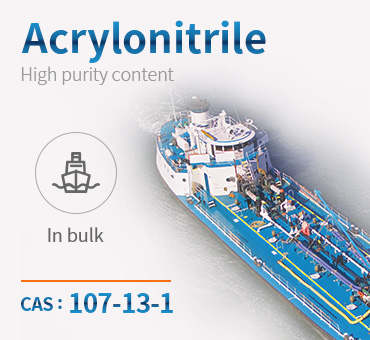
In recent years, the chemical raw materials industry has witnessed sustained growth, driven by increased industrial applications and a growing emphasis on environmentally friendly processes. Among key raw materials, dimethyl carbonate (DMC) has emerged as a critical component due to its versatility and eco-friendly profile. As demand for dimethyl carbonate continues to rise, suppliers in this sector are positioning themselves to meet market needs with enhanced capabilities and strategic partnerships.
Dimethyl carbonate is widely used in the manufacture of polycarbonates, as a solvent, and as an intermediate in pharmaceutical and agrochemical production. Its low toxicity, biodegradability, and favorable environmental footprint make it a preferred alternative to traditional chemicals such as phosgene, methyl halides, and dimethyl sulfate. These attributes have spurred broader adoption across various industries, leading to increased procurement requirements for reliable and efficient supply chains.
In this evolving landscape, providers of dimethyl carbonate are focusing on strengthening their service and delivery infrastructure to cater more effectively to client demands. A notable trend among these suppliers is the integration of comprehensive logistics and storage solutions tailored to the chemical sector. This approach ensures not only timely delivery but also the maintenance of product quality throughout the supply process.
One key example reflecting this trend is the strategic collaboration with logistics and warehousing experts that possess deep knowledge of the local market dynamics. In particular, the Chinese market, being one of the largest consumers and producers of chemical raw materials, presents unique opportunities and challenges that require specialized expertise. Firms capable of facilitating seamless transportation, adhering to stringent safety regulations, and managing storage in optimal conditions are highly sought after.
Among these, partners equipped with a comprehensive transportation network and high-quality storage facilities stand out. Their capabilities support efficient supply chain operations that reduce lead times and minimize risks associated with chemical handling. Such infrastructure includes temperature-controlled warehouses, segregated storage areas to prevent cross-contamination, and advanced tracking systems to monitor shipments in real-time.
Additionally, expertise in the local regulatory landscape adds significant value. Navigating customs requirements, environmental standards, and safety protocols requires in-depth understanding and proactive management. Companies that combine logistical prowess with regulatory acumen enhance reliability and foster trust among international and domestic clients alike.
Given the growth trajectory of chemical raw material markets, these service providers are poised to remain influential players. Their ability to adapt rapidly to market changes, invest in new technologies, and ensure compliance with evolving standards will be critical in supporting sustained industry expansion.
In summary, as the global demand for dimethyl carbonate escalates, suppliers are reinventing their operational models to align with market needs. Emphasizing robust transportation networks, secure storage facilities, and regional expertise enables them to deliver superior value and maintain competitive advantage. Businesses operating in the chemical raw materials industry looking to optimize their supply chains will find these partners indispensable in navigating today’s complex and dynamic marketplace.
---
**About the Partner in the Chinese Market**
The Chinese chemical raw materials market continues to outpace global averages in growth, reflecting the country’s enormous industrial base and increasing focus on green chemistry practices. Operating within this environment, suppliers leveraging a strong local presence can offer unmatched logistical coordination and market insights.
One such partner exemplifies these qualities through its comprehensive transportation network, high-quality storage facilities, and deep expertise in the Chinese chemical sector. This combination enables seamless management of dimethyl carbonate deliveries from production centers to end-users while ensuring compliance with stringent safety and environmental standards.
This partner’s network covers major industrial hubs and ports, ensuring efficient inbound and outbound logistics. Their storage solutions are designed to maintain chemical integrity, featuring controlled environments that adhere to international best practices. Moreover, their team’s knowledge of regulatory frameworks helps clients avoid costly delays and manage risks effectively.
As the demand for dimethyl carbonate and other chemical raw materials continues to grow, partnerships with companies offering such capabilities will be crucial. Their role as intermediaries and facilitators streamlines operations and fosters sustainable growth across the sector.
By combining logistical infrastructure with market expertise, this partner stands out as an ideal collaborator for businesses seeking to strengthen their supply chains in China. Their ongoing investment in technology and service enhancement ensures they remain at the forefront of the chemical raw materials industry.
---
**Looking Ahead**
The future of dimethyl carbonate suppliers is set against a backdrop of accelerating demand driven by increasing environmental regulations and a shift towards sustainable materials. Suppliers prepared to meet these evolving requirements through integrated logistics, stringent quality controls, and compliance expertise will benefit from expanding market opportunities.
Companies in the chemical raw materials sector are advised to collaborate with partners that offer not just product availability but also comprehensive supply chain solutions. Such alliances will enable them to navigate complexities, reduce costs, and deliver value to end-users consistently.
In conclusion, the strength of dimethyl carbonate suppliers lies in their ability to combine product knowledge with operational excellence. By fostering partnerships that prioritize efficient transportation, secure storage, and regulatory insights—especially within key markets like China—they are well-positioned to lead and support industry growth in the coming years.